

Eine gyokuro kyusu ist eine kleine japanische Teekanne mit seitlichem Griff, die speziell für die Zubereitung gyokuro entwickelt wurde und eine präzise Kontrolle über niedrige Wassertemperaturen, Ziehzeit und vollständige Extraktion ermöglicht.
Die kyusu bewältigt all dies mit ihrer breiten, flachen Basis, die den eng gerollten, nadelförmigen Blättern genügend Platz zum vollständigen Entfalten gibt, ihrem eingebauten Filter, der eine Überextraktion beim Eingießen verhindert, und ihrer kompakten Größe, die kleine Wassermengen auf einer kontrollierten Temperatur hält.
Dieser Artikel behandelt alles, was Sie für eine gelungene gyokuro Zeremonie in einem kyusu benötigen: das richtige Gefäß, die richtigen Parameter, die richtige Technik und die Fehler, die die meisten Anfänger machen.
Wenn Sie zum ersten Mal gyokuro kaufen oder verstehen möchten, wie er sich von anderen japanischen Teesorten unterscheidet, ist diegyokuro -Tee- Übersicht im Nio Teas Blog ein guter Ausgangspunkt, bevor Sie Ihre erste Tasse zubereiten.
Gyokuro mit Kyusu zubereiten: Eine Teekanne, die für die Zubereitung bei niedrigen Temperaturen entwickelt wurde

Ein gyokuro kyusu ist so konzipiert, dass er mit niedrigen Brühtemperaturen und kleinen Wassermengen zurechtkommt, wodurch sich die Blätter vollständig öffnen und ihre Aminosäuren freisetzen können, ohne Bitterkeit zu erzeugen.
Die Blätter Gyokuro werden zu dichten, festen Nadeln gerollt. Sie benötigen Platz und Zeit, um sich in der Kanne zu entfalten, bevor sie ihre Aminosäuren und ihr Aroma an das Wasser abgeben. Herkömmliche Tee-Eier und westliche Teekannen drücken die Blätter zusammen und unterbrechen so diesen Prozess, bevor er sein volles Potenzial entfalten kann.
Der flache, breite Boden eines echten gyokuro kyusu ermöglicht es den Teeblättern, sich horizontal auszubreiten und ihr volles Aroma zu entfalten. Das integrierte Keramik- oder Metallsieb hält die verbrauchten Blätter beim Eingießen zurück und verhindert so eine weitere Extraktion, die Bitterkeit in die Tasse bringen würde. Um zu verstehen, warum gyokuro eine so andere Zubereitungsmethode erfordert, ist es hilfreich, mit dem Tee selbst zu beginnen. 👉 Gyokuro -Definition | Erfahre mehr über die Bedeutung Gyokuro
Was macht ein Kyusu für Gyokuro geeignet?
Größe und Kapazität
Gyokuro wird in kleinen Mengen zubereitet. Für einen Standardaufguss verwendet man 5 Gramm Teeblätter mit nur 150 ml Wasser, was etwa einer halben Standard-Teetasse entspricht. Eine für gyokuro konzipierte kyusu hat typischerweise ein Fassungsvermögen zwischen 120 ml und 200 ml.
Größere kyusu sind für gyokuro ineffizient. Der zusätzliche Leerraum im Topf führt dazu, dass das Wasser schneller abkühlt und das Verhältnis von Teeblättern zu Wasser schwieriger zu kontrollieren ist. Ein kompakter kyusu hält den Aufguss konzentriert und die Temperatur konstant. Falls Sie mit der Verwendung eines kyusu generell nicht vertraut sind: Die Grundlagen für Deckelaufsatz, Eingießwinkel und Abgießen gelten für gyokuro genauso wie für sencha .
Grundform und Filtertyp
Der flache oder geringe Boden ist das entscheidende Strukturmerkmal, das ein gyokuro kyusu von einem herkömmlichen kyusu unterscheidet. Er gibt den nadelförmigen Blättern genügend Platz, sich horizontal zu entfalten, ohne übereinander zu stapeln, wodurch das Aroma in den unteren Schichten eingeschlossen würde.
Ein direkt in den Ton integrierter Keramiksiebfilter ist die bevorzugte Option. Er hat feinere Poren als Metallsiebe, fängt selbst kleinste Blattpartikel auf und wird von manchen Teetrinkern für ein traditionelleres Brüherlebnis bevorzugt. Tokoname - kyusu aus der Präfektur Aichi sind dafür besonders geschätzt.
Tonmaterial
Unglasierte Tokoname Tonkanne ist das traditionellste und empfehlenswerteste Material für eine gyokuro kyusu . Der Ton ist porös und kann mit der Zeit Teeöle aufnehmen, wodurch sich allmählich eine reife Oberfläche bildet, die den Geschmack jedes weiteren Aufgusses subtil verfeinert. Nio Teas bietet eine Auswahl an japanischem Teegeschirr und Teezubehör, das sich für diese Zubereitungsart eignet, darunter auch kyusu Tokoname -Stil.
Manche gyokuro kyusu werden aus Banko Keramik oder Shigaraki Ton hergestellt. Beide Materialien speichern die Wärme gut und weisen einen leicht unterschiedlichen mineralischen Charakter auf, der das umami-betonte Geschmacksprofil von gyokuro ergänzen kann.
Wie man Gyokuro in einem Kyusu braut – Schritt für Schritt
Das Gefäß zuerst vorwärmen
Füllen Sie den kyusu und Ihre Tassen mit heißem Wasser, schwenken Sie ihn kurz und schütten Sie das Wasser weg. Dieser Schritt erwärmt den Ton und die Keramik, wodurch verhindert wird, dass das Brühwasser beim Kontakt mit einem kalten Topf sofort abkühlt. Für einen Tee, der bei 60 Grad Celsius gebrüht wird, ist dies wichtig.
Gib 5 Gramm gyokuro -Blätter in das warme, trockene kyusu . Verteile die Blätter vorsichtig, ohne sie festzudrücken. Wenn du noch nicht so viel Erfahrung mit der Zubereitung von losem Tee hast, ist es hilfreich, die Grundlagen zu beherrschen. 👉 So bereitest du losen Tee ohne Teesieb zu – 14 Möglichkeiten
Wasser hinzufügen und ziehen lassen
Übergießen Sie die Blätter direkt mit 150 ml Wasser von 60 °C. Nicht umrühren, schütteln oder bewegen. Den Deckel auflegen und 2 Minuten lang ungestört stehen lassen.
Die zweiminütige Ziehzeit ist typisch für gyokuro . Die Blätter sind dicht dicht und benötigen diese Zeit, um sich zu öffnen und ihr Aroma freizusetzen. Die meisten Sencha-Sorten benötigen nur 45 bis 90 Sekunden, gyokuro hingegen nicht. Wird der Tee zu früh abgezogen, erhält man einen wässrigen, faden Kaffee.
Einschenken für mehrere Tassen
Wenn Sie für mehrere Personen kochen, gießen Sie abwechselnd in jede Tasse. Geben Sie zunächst etwas Tee in jede Tasse, dann drehen Sie die Richtung um und gießen Sie erneut. Die kräftigste und aromatischste Flüssigkeit setzt sich mit der Zeit am Boden des kyusu ab. Durch diese Rotation wird sichergestellt, dass jede Tasse die gleiche Menge Tee erhält.
Gießen Sie den Tee aus, bis der letzte Tropfen aus dem Ausguss läuft. Verbleibt Wasser im kyusu , beginnt sofort ein zweiter Aufguss, der den nächsten Aufguss verdirbt, da zu viel Bitterkeit aus den bereits geöffneten Blättern extrahiert wird. Für alle, die Premium gyokuro direkt von japanischen Bauern entdecken möchten, ist der Gyokuro Kiwami Sakamoto ein hervorragender Einstieg – ein sortenreiner Tee, der präzises Aufbrühen mit kyusu belohnt.
Wassertemperatur und Blattverhältnis für Gyokuro

Die Brühtemperatur gyokuro beträgt 60 Grad Celsius (140 Grad Fahrenheit). Dies ist deutlich niedriger als sencha mit 70 bis 80 Grad und nicht willkürlich gewählt.
Gyokuro ist reich an L -Theanin, der Aminosäure, die für seinen süß-würzigen, brühenartigen Geschmack verantwortlich ist. L -Theanin lässt sich gut bei niedrigeren Temperaturen extrahieren. Die Bitterstoffe, die sogenannten Catechine, werden erst ab 70 Grad Celsius in größerem Maße freigesetzt. Bei einer Brühtemperatur von 60 Grad Celsius werden die gesamte Süße und der Umami-Geschmack extrahiert, während die Bitterkeit größtenteils im Blatt erhalten bleibt.
Das Standardverhältnis beträgt 5 Gramm gyokuro Blätter auf 150 ml Wasser. Einige erfahrene Teemeister verwenden ein konzentrierteres Verhältnis von 10 Gramm auf 50 ml Wasser für einen dickflüssigen, sirupartigen Aufguss mit intensivem Umami-Geschmack. Diese Methode entspricht eher der Zubereitung gyokuro in renommierten japanischen Teezeremonien und ist einen Versuch wert, sobald man mit der Standardmethode vertraut ist.
Gießtechnik und langsames Extrahieren
Die Zubereitung Gyokuro ist bewusst langsam. Anders als bei sencha , wo man das Wasser relativ großzügig eingießen kann, belohnt gyokuro ein kontrolliertes, sanftes Eingießen. Gießen Sie das Wasser beim Hinzufügen zum kyusu langsam am Rand des Topfes entlang, anstatt es direkt auf die Blätter zu geben. Dadurch wird verhindert, dass der Wasserstrahl die Blätter aufwirbelt und eine ungleichmäßige Extraktion verursacht.
Die gleiche Sorgfalt ist beim Eingießen des fertigen Tees in die Tassen geboten. Neigen Sie die kyusu langsam und gießen Sie gleichmäßig ein. Der eingebaute Filter übernimmt die Filtration, aber ein plötzliches Eingießen kann Teeblätter durch das feinmaschige Sieb drücken.
Gyokuro kann in der Regel zwei- bis dreimal aufgegossen werden. Für den zweiten Aufguss verwenden Sie Wasser mit einer Temperatur von etwa 65 Grad Celsius und verkürzen die Ziehzeit auf etwa 45 Sekunden. Die Blätter haben sich bereits geöffnet und geben ihr restliches Aroma daher viel schneller ab. Wer sich für alle Zubereitungsmethoden dieses Tees interessiert, findet im gyokuro Brühleitfaden auf dem Nio Teas Blog detaillierte Informationen zu Standard- und Konzentrat-Methoden.
Häufige Fehler beim Brauen Gyokuro in einem Kyusu
Verwendung von zu heißem Wasser
Dies ist der häufigste Fehler und hat die gravierendsten Auswirkungen auf den Geschmack. Wasser über 70 Grad Celsius löst gyokuro stark von Catechinen und verwandelt einen Tee, der eigentlich süß und kräftig schmecken sollte, in etwas Scharfes und Bitteres. Falls Sie kein Thermometer haben, bringen Sie das Wasser zum Kochen und gießen Sie es dann drei- bis viermal zwischen verschiedenen Gefäßen hin und her. Bei jedem Umfüllen sinkt die Temperatur um etwa 5 bis 10 Grad.
Der Kauf eines einfachen Wasserkochers mit variabler Temperaturregelung löst dieses Problem vollständig. Er ist die mit Abstand effektivste Ausrüstungsverbesserung für jeden, der regelmäßig gyokuro braut.
Vorwärmen überspringen
Gießt man 60 Grad kaltes Wasser in eine kyusu Kanne, sinkt die Brühtemperatur sofort um einige Grad. Das ruiniert den Tee zwar nicht vollständig, verändert aber die Extraktion subtil und mindert so die Geschmacksintensität. Durch das Vorwärmen, das weniger als eine Minute dauert, wird dieser Faktor vollständig eliminiert.
Wasser im Kyusu nach dem Eingießen zurücklassen
Das restliche Wasser im kyusu nach dem Einschenken zieht weiter aus den geöffneten Blättern. Bis zum Einschenken der zweiten Tasse ist die Flüssigkeit im Topf überextrahiert und bitter. Gießen Sie den Tee daher jedes Mal vollständig ab und schütteln Sie auch die letzten Tropfen aus dem Ausguss.
Die Wahl des richtigen Kyusu für Gyokuro

Flaches Kyusu vs. Standard- Kyusu
Eine flache gyokuro kyusu ist speziell für diesen Tee entwickelt. Ihr breiter, flacher Innenraum sorgt für maximalen Kontakt der nadelförmigen Blätter mit dem Wasser und ermöglicht ihnen, sich optimal zu entfalten. Eine herkömmliche kyusu mit seitlichem Griff und tieferem, runderem Korpus eignet sich zwar für den täglichen Gebrauch, doch die flache Variante liefert stets einen reichhaltigeren Tee. Wer die beste Kyusu-Teekanne für gyokuro sucht, findet in der flachen kyusu die vielseitigste und praktischste Wahl. Ihr flaches Profil maximiert den Blattkontakt und hält die Brühtemperatur während des gesamten Ziehvorgangs konstant.
Wer gyokuro häufig zubereitet und den vollen Genuss erleben möchte, ist mit einer flachen gyokuro kyusu besser beraten. Für Teeeinsteiger, die eine Kyusu-Teekanne suchen, die neben gyokuro auch sencha und andere japanische Teesorten zubereiten kann, ist eine kompakte Standard kyusu mit 150 bis 200 ml Fassungsvermögen ein praktischer Einstieg.
Wann ein Shiboridashi besser sein könnte
Ein shiboridashi ist ein filterloses, tellerförmiges Brühgefäß und gilt als die traditionellste Zubereitungsmethode für gyokuro . Es besitzt weder Henkel noch Sieb; lediglich der schmale Spalt zwischen Deckel und Korpus hält die Teeblätter zurück. Dadurch kann man die sich entfaltenden Blätter aus nächster Nähe beobachten und den Tee genau im richtigen Moment aufgießen, wenn er sein volles Aroma entfaltet hat.
Für den täglichen Gebrauch ist die gyokuro kyusu praktischer. Die shiboridashi eignet sich ideal für ein langsameres, bewussteres Vorgehen oder für die Zubereitung mit einem sehr konzentrierten Verhältnis, beispielsweise 10 Gramm Blätter in 50 ml Wasser.
Tokoname vs. andere Lehmstile
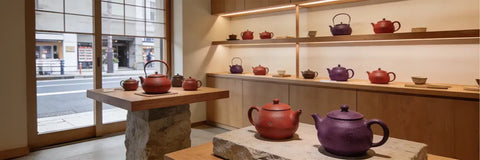
Tokoname Keramik aus der Präfektur Aichi ist der gängigste und am meisten empfohlene Ton für gyokuro kyusu . Der feinkörnige rote Ton hat einen leicht mineralischen Charakter und entwickelt mit der Zeit eine schöne, reife Oberfläche. Nio Teas bietet eine Auswahl handgefertigter Kyusu-Teekannen die sich für gyokuro und andere japanische lose Teesorten eignen und eine Überlegung wert sind, wenn Sie in ein spezielles Brühgefäß investieren möchten.
Banko Keramik aus der Präfektur Mie ist eine weitere angesehene Option. Der violette Ton speichert die Wärme gut und trägt so dazu bei, die Brühtemperatur von 60 Grad auch bei längeren Ziehzeiten konstant zu halten.
Gyokuro in einem Kyusu : Präzision vor Anstrengung

Die gyokuro kyusu funktioniert, weil jedes Detail ihres Designs auf die spezifischen Bedürfnisse von gyokuro abgestimmt ist. Der flache Boden öffnet die Blätter. Die kompakte Größe reguliert die Temperatur. Der integrierte Filter stoppt die Extraktion sofort nach dem Eingießen.
Die Wassertemperatur sollte 60 Grad erreichen, die Teeblätter zwei Minuten ziehen lassen und anschließend vollständig abgießen. Der Tee wird dann so schmecken, wie er es kennt: süß, kräftig und vollmundig, fast ohne Bitterkeit.
Der wichtigste Faktor ist die Qualität des Blattes selbst. Wer Premium- gyokuro entdecken möchte, sollte sich vor dem Kauf informieren , was einen guten gyokuro ausmacht, um eine enttäuschende erste Erfahrung zu vermeiden.

Kommentare (0)
Es gibt noch keine Kommentare. Sei der Erste, der einen Beitrag schreibt!