
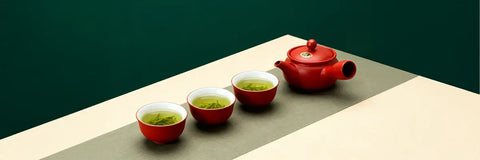
Eine tokoname kyusu ist eine traditionelle japanische Teekanne mit seitlichem Henkel aus eisenreichem Tokoname Ton, die speziell für die Zubereitung von grünem Tee mit milderen, weniger adstringierenden Ergebnissen entwickelt wurde.
Die meisten Teekannen sind passive Behälter. Diese hier ist aktiv am Brühvorgang beteiligt: Der eisenreiche Ton reagiert chemisch mit den Tanninen des Tees und sorgt so für eine weichere, rundere Tasse Tee.
Sie ist die Teekanne der Wahl für sencha und gyokuro Trinker in ganz Japan und wird von professionellen japanischen Teelehrern für die tägliche, funktionale Zubereitung empfohlen.
Dieser Artikel erklärt, welche Auswirkungen Tokoname Ton auf Ihren Tee hat, wie der Keramikfilter funktioniert und worauf Sie bei der Auswahl des richtigen Stücks achten sollten.
Los geht's!
Tokoname Kyusu 101 – Besichtigung einer Teekannenfabrik in Japan
Eine japanische Teekanne aus eisenhaltigem Ton

Eine tokoname kyusu ist eine japanische Teekanne mit seitlichem Henkel aus eisenreichem Ton aus der Stadt Tokoname in der Präfektur Aichi . Durch die Wechselwirkung mit dem Tee wird die wahrgenommene Bitterkeit reduziert und eine weichere, ausgewogenere Tasse Tee erzeugt.
Der Griff ragt in einem 90-Grad-Winkel aus dem Korpus heraus, was ein präzises, handgelenkgesteuertes Ausgießen ermöglicht und sich für mehrere kurze Aufgüsse eignet.
Das Ergebnis ist eine Tasse Tee, die messbar weniger bitter und runder ist als der gleiche Tee, der in Glas oder glasierter Keramik aufgebrüht wird, insbesondere bei sencha und gyokuro , wo das Tanningleichgewicht das Trinkerlebnis bestimmt.
Tokoname Keramik und ihre Geschichte in der japanischen Teekultur
Tokoname ist eine der sechs alten Töpferstädte Japans mit ununterbrochener Brennofentradition, die bis ins 12. Jahrhundert, die Heian-Zeit, zurückreicht, und das größte Produktionsgebiet unter den sechs.
Die Stadt wurde zum Synonym für die Herstellung kyusu Teekannen, da sich der lokale Ton als außergewöhnlich gut für die Zubereitung von Grüntee erwies. Generationen von Töpfern bauten auf dieser Erkenntnis auf, wetteiferten miteinander und tauschten Techniken aus, bis der Stil zum Maßstab für die Kunst der funktionalen Teekannenherstellung wurde.
Auch heute noch ist Tokoname eine Stadt, die sich fast ausschließlich der Teekannenherstellung widmet. Einige Künstler haben ihr gesamtes Berufsleben der Verfeinerung kyusu gewidmet und über Jahrzehnte hinweg die Gießgeschwindigkeit, den Deckelverschluss und die Filterkonstruktion perfektioniert.
Warum Tokoname Ton den Geschmack Ihres Tees verändert

Der Ton bestimmt die praktische Anwendung eines japanischen tokoname kyusu . Das Verständnis seiner Wirkung auf den Tee erklärt, warum anspruchsvolle Teetrinker diese Zubereitungsart bevorzugen, anstatt sich mit einfacheren Alternativen zufriedenzugeben.
Eisenreicher Ton und seine Auswirkung auf den Geschmack
Der Ton Tokoname enthält eine hohe Konzentration an Eisenoxid. Beim Ziehen des heißen Tees in der Kanne reagiert das Eisen mit den Tanninen und mildert so die wahrgenommene Adstringenz. Das Ergebnis ist ein Tee mit einem weicheren Geschmack, der dennoch den lebendigen, grasigen Charakter eines hochwertigen sencha bewahrt.
Dieser Effekt ist messbar, nicht eingebildet. Direkte Vergleiche mit demselben Tee, der in einem Glas aufgebrüht wird, zeigen durchweg einen Unterschied im Bitterkeitsgrad. Bei Tees, die bei leicht abweichender Wassertemperatur scharf schmecken, sorgt der Ton für eine natürliche Korrektur.
Mit der Zeit bildet sich durch die absorbierten Teeöle eine Patina an der Innenfläche der Kanne – ein Prozess, den japanische Töpfer Narawashi nennen. Durch diese Patinabildung verbessert die Kanne nach und nach den Geschmack der darin aufgebrühten Tees.
Warum unglasierte Innenräume wichtig sind
Eine glasierte Innenseite bildet eine Barriere zwischen Tee und Ton, was beim Wechsel zwischen sehr unterschiedlichen Teesorten von Vorteil ist. Sie beseitigt jedoch die mineralische Wechselwirkung, die Tokoname Ton so wertvoll macht.
Die unglasierte Oberfläche ist leicht porös und nimmt bei jeder Benutzung Teebestandteile auf. Viele Teetrinker verwenden deshalb eine kyusu tokoname ausschließlich für eine einzige Teesorte. Die Verwendung einer sencha Kanne für gerösteten hojicha kann mit der Zeit zu Geschmacksübertragungen führen. Dieser Kompromiss lohnt sich jedoch, wenn man stets denselben Tee zubereitet.
Worauf Sie beim Kauf eines japanischen Tokoname Kyusu achten sollten

Die meisten Käufer stehen vor zwei grundlegenden Entscheidungen: Größe und Filtertyp. Beides beeinflusst die Zubereitung und für welche Teesorten sich die Kanne am besten eignet.
Größen-, Form- und Ausgießkontrolle
Standardkannen fassen 200 ml bis 400 ml. Eine 200-250-ml-Kanne eignet sich ideal für die Zubereitung allein mit mehreren Aufgüssen. Eine 300-360-ml-Kanne ist gut für zwei Personen oder Tassen in westlicher Größe. Kleinere Mengen kühlen schneller ab und ermöglichen eine präzisere Kontrolle über jeden Aufguss, was besonders bei temperaturempfindlichem gyokuro wichtig ist.
Ein hochwertiges Stück zeichnet sich durch einen Ausguss aus, der beim Aufhören des Ausgießens sauber abschließt. Der hohle Seitengriff bleibt auch dann kühl, wenn sich im Korpus heißes Wasser befindet, da er die Wärme nicht so gut leitet wie ein massiver Griff.
Details zur Tonoberfläche und Verarbeitung
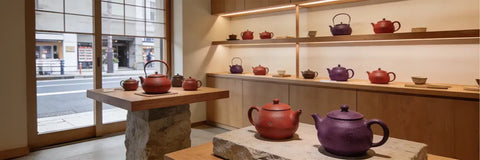
Diese Teekannen sind in Rot und Schwarz erhältlich. Rot ist die natürliche Brennfarbe des Shudei-Tons. Schwarze Stücke entstehen durch Reduktionsbrand unter Sauerstoffmangel, wodurch eine härtere, dichtere Oberfläche entsteht und ein zusätzlicher Brennvorgang erforderlich ist, was sich im Preis widerspiegelt.
Der Deckelsitz ist eines der zuverlässigsten Qualitätsmerkmale. Ein gut verarbeiteter Deckel schließt so dicht, dass er sich auch beim Ausgießen nicht verschiebt, selbst wenn man die Kanne kippt. Bei feinkörnigen Teesorten ist die Sasame-Konstruktion mit regelmäßigen, dichten Löchern besser geeignet als einfache Lochsiebe. Vermeiden Sie Metalleinsätze in einer ansonsten aus Ton gefertigten Kanne, da diese auf eine minderwertige Herstellung hindeuten. Suchen Sie ein Geschenk für einen Teeliebhaber? In unserem Ratgeber „ Geschenke für Teeliebhaber“ finden Sie ausgewählte Ideen.
Die richtige Pflege einer unglasierten Kyusu Töpferfigur

Verwenden Sie niemals Seife auf einem unglasierten kyusu . Alles andere, was Sie für eine gelungene Teezubereitung benötigen, finden Sie in unserem umfassenden Sortiment an japanischem Teegeschirr und -zubehör . Der poröse Ton absorbiert Seife dauerhaft, was sich auf jeden weiteren Aufguss auswirkt. Spülen Sie das Gefäß daher nach jeder Benutzung sofort mit heißem Wasser ab.
Nehmen Sie den Deckel nach Gebrauch ab und lassen Sie den Topf vor dem Verstauen vollständig an der Luft trocknen. Ein feuchter Deckel schließt Feuchtigkeit ein und begünstigt Schimmelbildung. Bereiten Sie für die ersten paar Anwendungen eines neuen Topfes einen günstigen bancha zu, um den Ton vorzuwärmen, bevor Sie Ihre besten Blätter verwenden.
Sollte der Topf mit der Zeit einen unangenehmen Geschmack annehmen, kann ein Einweichen über Nacht in lauwarmem Wasser mit Natron, gefolgt von einer Spülung mit verdünntem Weißweinessig, den Ton regenerieren, ohne Rückstände zu hinterlassen. Vermeiden Sie es, Wasser direkt in einem kalten Topf zu kochen; erwärmen Sie ihn stattdessen langsam von außen, um Risse zu verhindern.
Wann der Ton den größten Unterschied in der Tasse ausmacht
Der Unterschied zwischen der Zubereitung von sencha im Glas und in einem kyusu tokoname ist bei Tees mittlerer Qualität am deutlichsten. Hochwertiger First Flush sencha ist in fast jedem Gefäß unkompliziert. Mit der Zeit wird sencha etwas herber und weniger ausgewogen, verbessert sich aber merklich, wenn der Ton aktiv auf die Tannine einwirkt.
Wenn Sie japanischen Grüntee derzeit in einer Glaskanne, einem Metall-Teesieb oder in glasierter Keramik zubereiten, ist der Wechsel zu einem Tokoname kyusu die wirkungsvollste Geräteänderung, die Sie für den Geschmack Ihrer täglichen Tasse Tee vornehmen können.
Wer regelmäßig sencha oder gyokuro zubereitet, profitiert von der Kombination aus hochwertigem japanischem Grüntee und einer speziellen Teekanne wie dieser. So harmonieren sowohl die Teeblätter als auch das Gefäß perfekt. Entdecken Sie die gesamte Auswahl an kyusu -Teekannen bei Nio Teas und werten Sie Ihr Tee-Erlebnis auf.

Kommentare (0)
Es gibt noch keine Kommentare. Sei der Erste, der einen Beitrag schreibt!